

As Malaysia gears up for the full-scale implementation of E-Invoicing by 2024, the landscape of financial transactions in the country is on the brink of a significant transformation. The potential benefits and implications of this digital shift are vast, ranging from improved compliance to enhanced data security measures sap software malaysia sap business one price malaysia malaysia e-invoicing. The intricacies of integrating E-Invoicing with existing accounting systems and navigating the evolving tax compliance requirements present a complex yet promising path for businesses to navigate. Stay tuned to explore how Malaysia’s journey towards E-Invoicing unfolds and the impact it will have on the nation’s financial ecosystem.

Advantages of E-Invoicing Implementation
With the increasing digitization of financial processes, the implementation of e-invoicing in Malaysia offers a multitude of advantages for businesses and government entities alike. E-invoicing streamlines the invoicing process, reducing manual errors and the time required for processing. It enhances transparency and visibility into financial transactions, leading to improved decision-making.
Cost savings are significant as paper, printing, and postage expenses are eliminated. Additionally, e-invoicing promotes sustainability by reducing paper usage, aligning with global environmental goals. Enhanced security measures protect sensitive financial data, fostering trust between parties.
Key Requirements for Businesses
To ensure successful adoption of e-invoicing in Malaysia in 2024, businesses must adhere to a comprehensive compliance checklist that covers regulatory requirements and technical specifications.
Additionally, having a clear implementation timeline overview is crucial for organizations to plan effectively and meet deadlines for transitioning to electronic invoicing.
Compliance Checklist for Businesses
Businesses operating in Malaysia must adhere to a comprehensive compliance checklist to ensure they meet all key requirements in the realm of e-invoicing. The checklist includes obtaining a business identification number, registering for the Malaysian Electronic Data Interchange (MyEDI) platform, ensuring compliance with the Malaysian Customs Department regulations, and implementing proper data encryption protocols to safeguard sensitive information.
Additionally, businesses must regularly update their e-invoicing systems to align with any new regulatory changes or technological advancements. Failure to comply with these requirements may result in penalties or fines. By following this checklist diligently, businesses can operate confidently within the framework of Malaysian e-invoicing regulations, ensuring smooth transactions and maintaining compliance with the law.
Implementation Timeline Overview
In progressing towards effective compliance with Malaysia’s e-invoicing regulations, businesses must now focus on navigating the Implementation Timeline Overview, which outlines the key requirements for successful integration and operation within the electronic invoicing framework.
The timeline typically includes phases such as preparation, testing, implementation, and monitoring. During the preparation phase, businesses need to assess their current invoicing processes, identify necessary changes, and allocate resources for the transition.
Testing involves ensuring that the e-invoicing system aligns with regulatory specifications and internal operations. Implementation requires the actual deployment of the e-invoicing system, along with training employees on its usage.
Monitoring is crucial post-implementation to address any issues promptly and ensure smooth operations within the new electronic framework.
Impact on Tax Compliance
The implementation of e-invoicing in Malaysia in 2024 is expected to significantly enhance tax reporting efficiency for businesses by streamlining the invoicing process and reducing errors.
Furthermore, the automation of compliance monitoring through e-invoicing systems will enable real-time tracking of transactions, improving transparency and accuracy in tax reporting.
These advancements indicate a positive shift towards a more robust tax compliance framework in Malaysia, promoting accountability and reducing the likelihood of tax evasion.
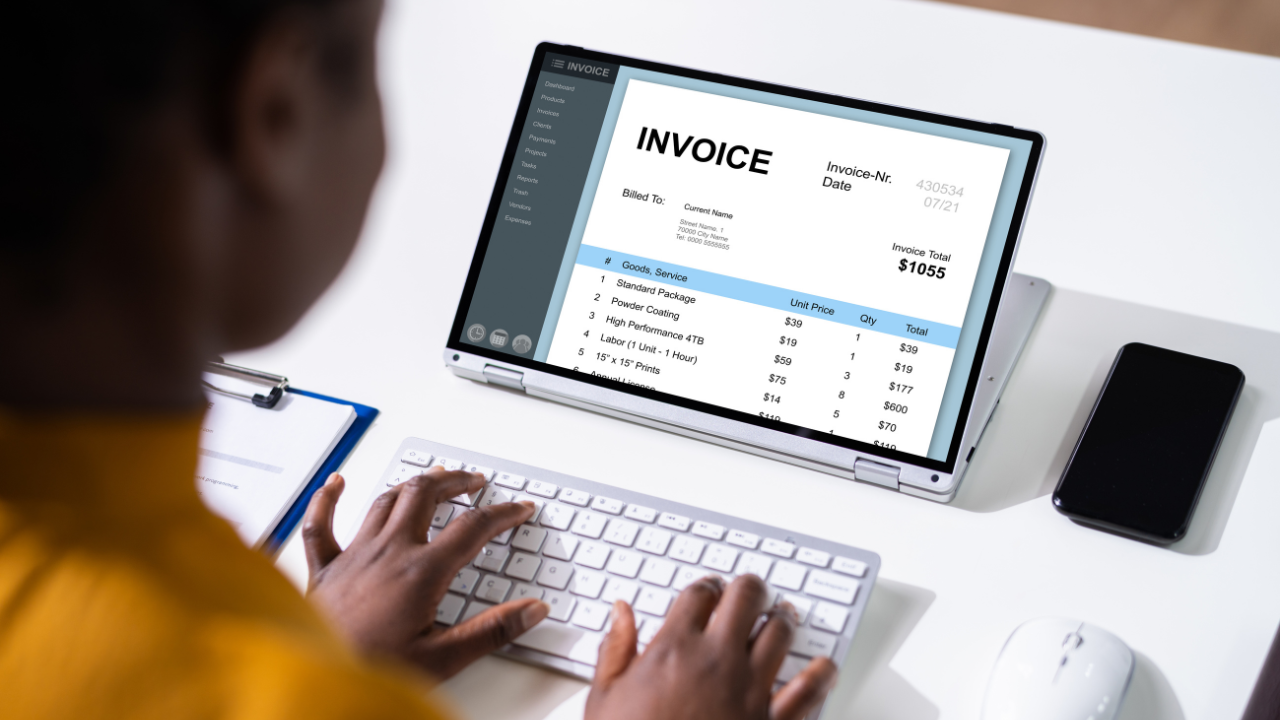
Tax Reporting Efficiency
Enhancing tax reporting efficiency through streamlined electronic invoicing processes can significantly impact tax compliance rates for businesses in Malaysia in 2024.
By adopting e-invoicing systems that integrate directly with tax authorities, businesses can reduce errors, enhance transparency, and ensure timely submission of accurate tax reports.
The automation of invoicing processes minimizes the risk of non-compliance due to manual errors or deliberate misreporting.
Additionally, digital invoicing facilitates real-time monitoring and auditing by tax authorities, fostering a culture of transparency and accountability.
With improved tax reporting efficiency, businesses can avoid penalties, mitigate risks, and build trust with tax authorities, ultimately enhancing overall tax compliance rates in Malaysia.
Compliance Monitoring Automation
Implementing automated compliance monitoring systems in tax reporting processes can significantly enhance tax compliance rates for businesses in Malaysia in 2024.
By leveraging technology to automate the monitoring of tax compliance, businesses can ensure accurate and timely reporting, reducing the risk of errors and non-compliance.
These systems can track transactions, flag discrepancies, and generate alerts for potential issues, enabling proactive resolution before they escalate.
Moreover, automation can streamline the tax reporting process, saving time and resources while improving overall accuracy.
With real-time monitoring and alerts, businesses can promptly address any compliance issues, ultimately fostering a culture of transparency and accountability in tax reporting practices.
Integration With Accounting Systems
Integration with accounting systems is a critical aspect of the Malaysia E-Invoicing implementation in 2024, ensuring seamless financial data flow and accuracy. By integrating e-invoicing directly with accounting systems, such as ERP software, businesses can streamline their financial processes, reduce manual errors, and enhance efficiency.
This integration allows for real-time synchronization of invoice data, automating the recording of transactions, and improving overall financial visibility. Furthermore, it enables businesses to generate reports more efficiently and facilitates better decision-making based on up-to-date financial information.
Security Measures and Data Protection
The secure transmission and protection of financial data are imperative components of the Malaysia E-Invoicing system in 2024, safeguarding sensitive information from potential cyber threats and ensuring compliance with data privacy regulations.
Advanced encryption protocols are utilized to secure the data during transmission between businesses and government entities. Multi-factor authentication processes add an extra layer of security, mitigating the risk of unauthorized access to confidential information.
Regular security audits and penetration testing are conducted to identify and address any vulnerabilities in the system promptly. By prioritizing security measures and data protection, Malaysia’s E-Invoicing system aims to instill trust and confidence in users, fostering a secure environment for electronic transactions.
Future Outlook and Adoption Trends
As Malaysia progresses towards the future of E-Invoicing in 2024, a discernible shift in adoption trends is emerging, reflecting the evolving landscape of digital financial processes. The country is witnessing a steady increase in the adoption of electronic invoicing solutions among businesses of all sizes.
This trend is primarily driven by the numerous benefits that E-Invoicing offers, such as cost savings, efficiency improvements, and enhanced transparency in financial transactions. Moreover, the government’s push towards digitalization and the implementation of supportive regulatory frameworks are further propelling the uptake of E-Invoicing.
As more organizations realize the advantages of transitioning to electronic invoicing systems, the adoption rates are expected to continue rising, shaping a more streamlined and technologically advanced financial ecosystem in Malaysia.
Conclusion
In conclusion, the implementation of E-Invoicing in Malaysia by 2024 is set to bring numerous advantages to businesses. Particularly, it will streamline financial processes, enhance tax compliance, and promote data security. The integration with accounting systems will ensure seamless data flow, while robust security measures will safeguard sensitive financial information.
As adoption rates increase, Malaysia is expected to transition towards a more technologically advanced and digitally-driven financial ecosystem.