

Dog grooming courses in Malaysia prioritize hands-on experience, allowing students to develop skills through direct animal interaction and practical grooming tasks. These courses cover breed-specific grooming techniques, specialized tools, and canine behavior understanding, fostering confidence and adaptability. Such thorough training prepares groomers for diverse career paths in salons, mobile services, and beyond dog grooming course. Exploring these elements reveals how practical learning enhances professional competence and opens various opportunities in the pet care industry.
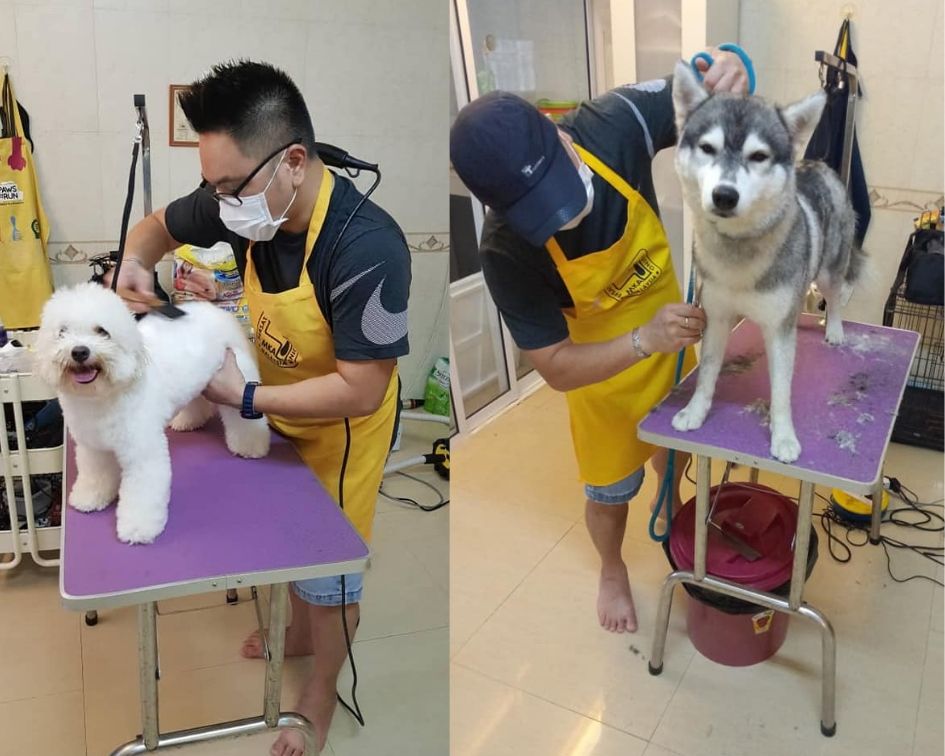
The Importance of Hands-On Experience in Dog Grooming
Mastering dog grooming requires more than theoretical knowledge; practical, hands-on experience is vital for developing the necessary skills.
Direct interaction with dogs allows learners to understand animal behavior, build confidence https://cosmos.petuniverse.com/dog-grooming-course/, and refine techniques in real-time. This experiential learning fosters adaptability, enabling groomers to respond calmly to unexpected challenges such as anxious or uncooperative pets.
It also cultivates a deeper connection with the animals, promoting gentle and effective care. Beyond skill acquisition, hands-on practice instills a sense of independence, empowering groomers to work confidently without constant supervision.
For those seeking freedom in their career, this approach guarantees readiness to handle diverse grooming scenarios, ultimately leading to professional competence and personal satisfaction in their craft.
Understanding Different Dog Breeds and Their Grooming Needs
Hands-on experience in dog grooming naturally leads to an understanding that different breeds require distinct care approaches. Each breed’s coat type, length, and texture influence grooming frequency and methods.
For instance, double-coated breeds need careful undercoat maintenance to prevent matting, while single-coated breeds require less intensive care. Recognizing breed-specific sensitivities and skin conditions is essential for effective grooming without discomfort.
This knowledge empowers groomers to tailor routines that respect each dog’s natural characteristics, enhancing their well-being. Mastery of these distinctions provides a foundation for freedom in grooming choices, allowing professionals to adapt techniques to suit individual dogs rather than relying on one-size-fits-all solutions.
Such adaptability is vital for fostering a positive grooming experience for dogs and groomers alike.
Techniques and Tools Used in Professional Dog Grooming
Professional dog grooming employs a variety of specialized techniques and tools tailored to meet the unique needs of each breed and coat type. Clippers, scissors, and thinning shears provide precise coat trimming, while brushes and combs detangle and remove loose hair efficiently.
Groomers use slicker brushes for dense undercoats and pin brushes for longer fur. Nail clippers and grinders maintain paw health, ensuring comfort and freedom of movement. Ear cleaning tools prevent infections, and specialized shampoos address skin sensitivities or coat conditions.
Techniques such as hand stripping, scissoring, and dematting demand skill and attention to detail. Mastery of these methods and equipment enables groomers to enhance a dog’s appearance and well-being, offering a professional standard that respects each animal’s unique characteristics and promotes freedom through comfort and care.

Developing Canine Behavior Skills for Better Grooming Results
Understanding canine behavior is essential for achieving effective grooming outcomes. Groomers who develop these skills guarantee a calm, cooperative environment, minimizing stress for both dog and handler.
Key aspects include:
- Recognizing body language cues to identify comfort or distress.
- Building trust through gentle handling and positive reinforcement.
- Adapting techniques to suit individual temperaments and energy levels.
- Managing unexpected reactions calmly to maintain control and safety.
Mastering canine behavior enables groomers to work efficiently while respecting the dog’s needs, promoting a more enjoyable grooming experience.
This skill set empowers groomers with the freedom to handle diverse breeds confidently, fostering lasting relationships between dogs and professionals.
Ultimately, understanding behavior enriches the grooming process beyond mere technique, emphasizing empathy and adaptability.
Career Opportunities and Growth After Completing a Dog Grooming Course
Upon completing a dog grooming course in Malaysia, individuals gain access to a variety of career paths within the pet care industry. Graduates can work in established grooming salons, start mobile grooming services, or open their own businesses, offering flexible work hours and autonomy.
Opportunities also exist in pet hotels, veterinary clinics, and animal shelters, where grooming skills enhance animal welfare. With experience, professionals may specialize in creative grooming or become trainers, expanding their expertise and income potential.
The growing pet ownership trend in Malaysia supports steady demand, allowing groomers to build sustainable careers. This path offers freedom from traditional office constraints, appealing to those seeking independence, creativity, and direct interaction with animals.
Continuous learning and networking further enable career growth and diversification in this evolving field.
Conclusion
Completing a dog grooming course in Malaysia offers more than theoretical knowledge, emphasizing practical skills essential for professional success. Hands-on experience, understanding diverse breed requirements, mastering grooming techniques, and developing canine behavior insights collectively enhance grooming quality. These competencies not only improve service outcomes but also open diverse career opportunities within the pet care industry. Ultimately, such thorough training equips individuals to thrive in a growing market, ensuring both personal growth and elevated standards in dog grooming.