

In the field of structural engineering, timber testing plays a fundamental role in ensuring the integrity of construction projects. By meticulously evaluating the properties of timber using a range of testing techniques, engineers can make informed decisions about the suitability of the material for structural applications. From assessing strength to examining durability compression testing machine function, these tests provide invaluable insights into the performance of timber under different stresses and conditions. Understanding how timber behaves under load is not just a matter of safety but also a key factor in optimizing structural designs for efficiency and longevity.

Significance of Timber Testing
Timber testing plays a crucial role in ensuring the structural integrity and safety of timber used in construction projects. By subjecting timber samples to various tests, engineers can assess the strength, stiffness, and durability of the wood, ensuring it meets the required standards for use in structural applications.
One of the key aspects of timber testing is determining the mechanical properties of the wood, such as its modulus of elasticity, tensile strength, and compressive strength universal testing machine for compression test. These properties help engineers understand how the timber will behave under different types of loads and environmental conditions.
Moreover, timber testing allows for the identification of defects within the wood, such as knots, decay, or splits, which can significantly weaken its structural performance. Through non-destructive testing methods like ultrasound and visual inspections, potential issues can be detected early on, preventing structural failures in the future.
Additionally, timber testing helps in verifying the quality of the wood and ensuring that it complies with industry standards and regulations, ultimately contributing to the safety and reliability of construction projects.
Common Testing Methods
When conducting timber testing for structural applications, various common testing methods are employed to assess the wood’s properties accurately.
One widely used method is the static bending test, which measures the modulus of rupture and modulus of elasticity. This test involves applying a load to a beam until it breaks, providing crucial data on the wood’s strength and stiffness.
Another common method is the compression test, where a sample is subjected to a compressive force to determine its compressive strength.
Tension tests are also conducted to evaluate the wood’s tensile strength by pulling apart samples until they fail.
Additionally, shear tests are performed to assess the wood’s resistance to shear forces, important in structural applications.
These common testing methods help engineers and researchers understand the mechanical behavior of timber, aiding in the design and construction of safe and reliable structures.
Strength and Durability Evaluation
To assess the strength and durability of timber for structural applications, comprehensive evaluation methods are employed to ensure the wood meets specified performance criteria. Strength evaluation involves determining the timber’s ability to resist applied forces without failing, typically measured through bending, compression, tension, and shear tests.
Durability evaluation focuses on the wood’s ability to withstand environmental factors like moisture, decay, and insect damage over time. Various tests are conducted to assess durability, including accelerated aging tests, decay resistance tests, and insect resistance tests.
Strength and durability evaluations are crucial in determining the suitability of timber for structural use, ensuring safety and longevity in construction projects. By utilizing these evaluation methods, engineers and builders can select timber with the necessary structural properties to meet the demands of specific applications, ultimately contributing to the overall success and reliability of the structure.
Industry Standards and Regulations
Amid the realm of structural timber applications, adherence to industry standards and regulations plays a fundamental role in ensuring construction integrity and safety. These standards are set by organizations such as the American Wood Council (AWC), the International Code Council (ICC), and the American Society for Testing and Materials (ASTM).
The AWC provides guidelines on allowable stress design, load duration factors, and safety factors for various timber applications. The ICC establishes the International Building Code (IBC), which includes provisions for timber construction to ensure structural integrity. ASTM develops testing methods and specifications for timber products to assess their mechanical properties and performance under different conditions.
In addition to these organizations, regulatory bodies like the Occupational Safety and Health Administration (OSHA) and local building departments enforce compliance with safety standards to protect workers and the public. Adhering to these industry standards and regulations is crucial for ensuring that timber structures meet safety requirements and perform reliably throughout their service life.
Application in Structural Engineering
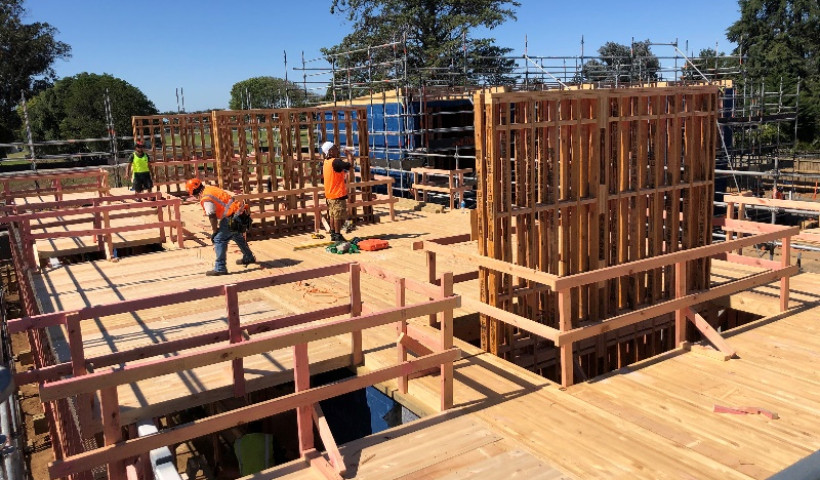
Structural engineering applications of timber involve assessing the material’s strength and stability for use in various construction projects. Timber is commonly used in structural engineering for its versatility, cost-effectiveness, and sustainability. When utilizing timber in structural applications, engineers must consider factors such as timber species, moisture content, and load-bearing capabilities.
In structural engineering, timber is often employed in building components such as beams, columns, trusses, and decking. Engineers evaluate the mechanical properties of timber through testing methods like bending tests, compression tests, and tension tests to ensure its performance meets structural requirements. Timber’s ability to withstand loads and resist deformation is crucial in determining its suitability for structural use.
Additionally, timber’s natural aesthetic qualities make it a popular choice for architectural applications where both strength and visual appeal are desired. By incorporating timber into structural designs, engineers can achieve efficient and sustainable construction solutions. Understanding timber’s behavior under different conditions is essential for optimizing its use in structural engineering projects.
Conclusion
In conclusion, timber testing for structural applications is essential to ensure the safety and reliability of construction projects.
By evaluating the strength, stiffness, and durability of timber through various testing methods, engineers can identify defects, verify quality, and ensure compliance with industry standards.
This process ultimately aids in selecting timber with the necessary properties for specific structural applications, contributing to the overall success and longevity of the project.